

Field Notes: March 2026
Noma, Papaya Arequipeña & an updated Manaus guide.
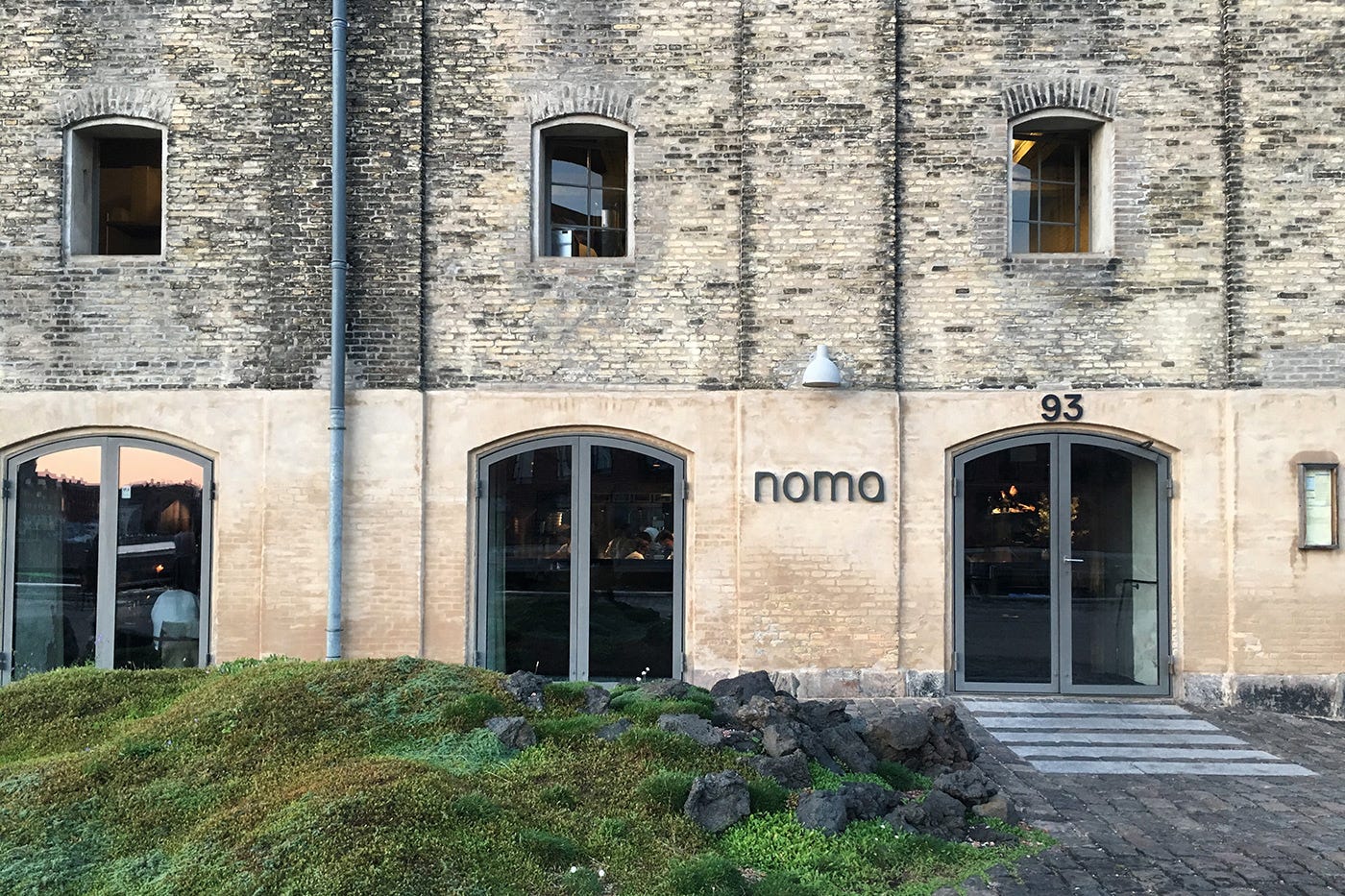
I’m writing this from the middle of the Brazilian Amazon, though I have been following what has been going on with Noma during their Los Angeles pop-up for the past couple of weeks.
Despite the algorithmic polarization, where the only options seem to be to defend the indefensible or demanding the unlikely end of fine dining, what I hope are not lost are the conversations that are finally taking place. The debates on on what future fine dining kitchens should look like that have been brushed to the side for too long, or worse, used only for marketing propaganda, and are being forced to be confronted. Food media is even showing some nuance, if you can sift through some of the noise.
“Nobody is pretending that professional kitchens are without pressure,” writes South African chef Kobus van der Merwe in an Op-Ed in the Daily Maverick. “The intensity, the pace, the precision required: that is real, and on good days it is part of what makes the work extraordinary. But pressure does not require cruelty to function. Colleagues can be demanding of one another and still be decent.”
He writes that at Wolfgat, they have maintained the same small team since opening in 2016, made up mostly of women born and raised in the town they are located. Women mostly without formal culinary training and there’s no hierarchy beyond the natural seniority. They work decent hours, take regular breaks, have no unpaid interns and the kitchen is deliberately calm. “We pick, prepare, serve and clean as a team. We figure things out together. And we are not alone,” he says.
“True accountability means owning the harm without qualifiers, making victims whole where possible, and ensuring that the next generation of kitchens if never again treated unfairly,” writes LA Taco editor Javier Cabral in “Is Canceling Noma L.A. Louder Than Reforming the Systems That Made It?”
In “The Brigade,” Christian F. B. Puglisi suggests that getting rid of the brigade system, as a headline in a recent AP story encouraged, may not be the right answer and the faults being attributed to it are more the faults of individual actors: “I make the case that the yelling and scolding are not a part of the system – they are a part of the people within the system. Gordon Ramsay made a name for himself by yelling profanities at failing cooks, and he was celebrated for it in mainstream media.” The question is, if the brigade system goes away, essentially a model to organize complex restaurant systems, which does not only apply to fine dining, but cruise ships, banquet halls, and university dormitories, what goes in its place? If there isn’t anything better, can the brigade system exist in a way that doesn’t encourage abuse?
I spent some time in Japan a year or so ago and was impressed by tiny restaurants, five seaters with a chef and an assistant and little other help, creating remarkable, technically advanced food. They didn’t need enormous teams and a high pressure environments, just nice ingredients presented with care, and they charged their worth for it. It makes me wonder why we are so incessant on restaurants leapfrogging each other with rankings and stars, on adding unnecessary bells and whistles for attention, when they are certain to push themselves beyond reasonable limits. “Maybe it can’t be fixed. Maybe you just make the best place you can make, take care of the people who work there, make good food from good people, and that’s it, that’s as good as it gets,” writes Millicent Souris, in “It’s a Very, Very, Mad World,” in her newsletter, Attitude Adjustment Facility. Shouldn’t these be basic ground rules, and everything else that defines quality secondary?
As for stagiaires, I wrote about that world during the previous backlash several years ago, in “Fine Dining is Not Dead, But it is Changing,” and also “A Letter to Prospective Stagiaires: You have more power than you think,” arguing against the exploitation of unpaid workers (or any workers obviously), but not ruling out apprenticeships entirely. If the legitimate opportunities go away or are reduced, are younger cooks then lead to go to culinary schools where costs can become astronomically higher than just rent and living expenses to get the same level of training, as say, a season at Mugaritz? It’s worth asking which is more exclusionary. I think programs like Fundación Pachucútec have done wonders by paying the expenses of low income students in Peru to apprentice at top restaurants in Spain, and organizations like them should be involved in more conversations about creating those pathways.
Fine dining is never going away and it’s a pipedream to think otherwise. There will always be restaurants for special occasions, dining experiences that go beyond the everyday, and reform is something we all should grapple with. While fine dining kitchens, some of them at least, have improved working conditions in the last few years, it’s clear there is more work to do in making them less shitty. It’s not impossible for them to have healthy working environments and still put out high level cooking, though we don’t hear enough from those that are able to do so. Hopefully their voices can make it through to the other side.
Keep reading with a 7-day free trial
Subscribe to New Worlder to keep reading this post and get 7 days of free access to the full post archives.