

Field Notes: June 2026
The landscape legacy of the quinoa boom, a new Enrique Olvera bar in NYC & a grain terminal on the Tapajós river.
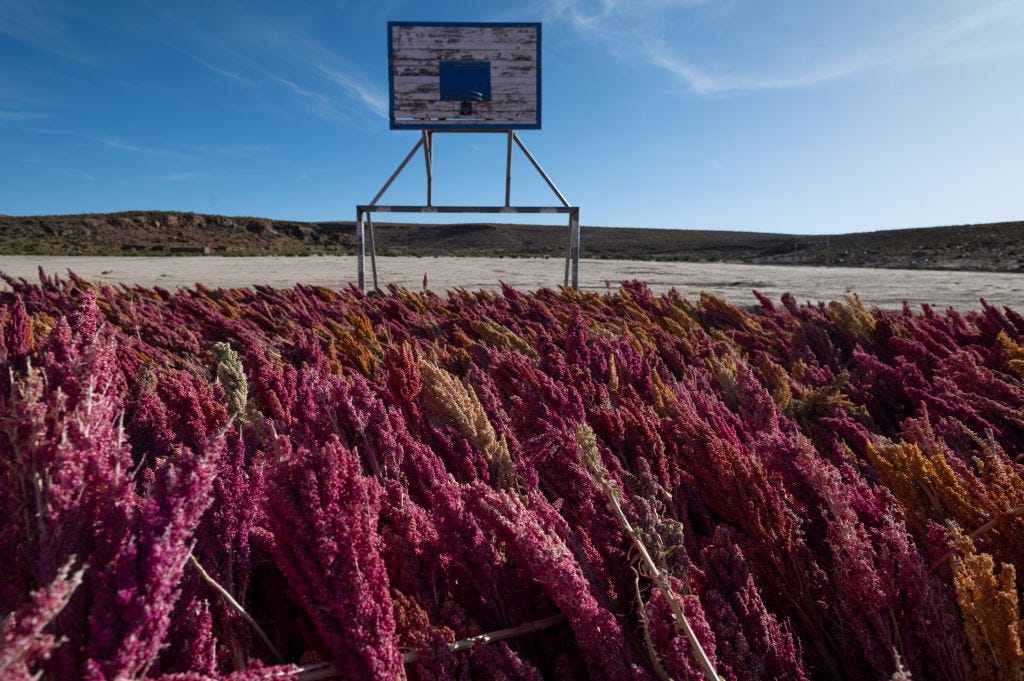
Quinoa farmers are grappling with the legacy of the boom
Land use intensification during the quinoa boom caused many farmers in the altiplano of Peru and Bolivia to abandon traditional methods while using excessive amounts of synthetic fertilizers and pesticides while planting year after year without rotations, according to this story from Benjamin Swift in Mongabay. With the soil depleted, pests more resistant to chemicals, the climate more erratic and more competition with the now 123 countries growing the pseudograin, the challenges for Andean farming communities are multiplying. The solution is increasingly pointing at helping consumers and suppliers distinguish traditionally grown, higher value and more nutritious quinoa with industrial quinoa and the problems it causes.

Colombia’s Cerros de Mavecure opens to tourism
As Colombian territory continues to open up after decades of war (even as some sections become off limits again), the Cerros de Mavecure in the Eastern part of the country near the border with Venezuela are seeing their first steady stream of tourists. The opportunity is turning former gold miners into hiking guides, writes John Otis in NPR.
Narda Lepes calls for dialogue on Latin American popular cuisine and access to nutritious food
“If they only talk about high-end restaurants, Latin American cuisine won’t advance,” says Argentine chef and TV personality Narda Lepes in El País. In this wide ranging interview, she discusses food media, consumer trends, algorithms and food education. “If they forgive taxes for large technology companies that don't contribute any added value, why not for those who grow leeks and spinach?”
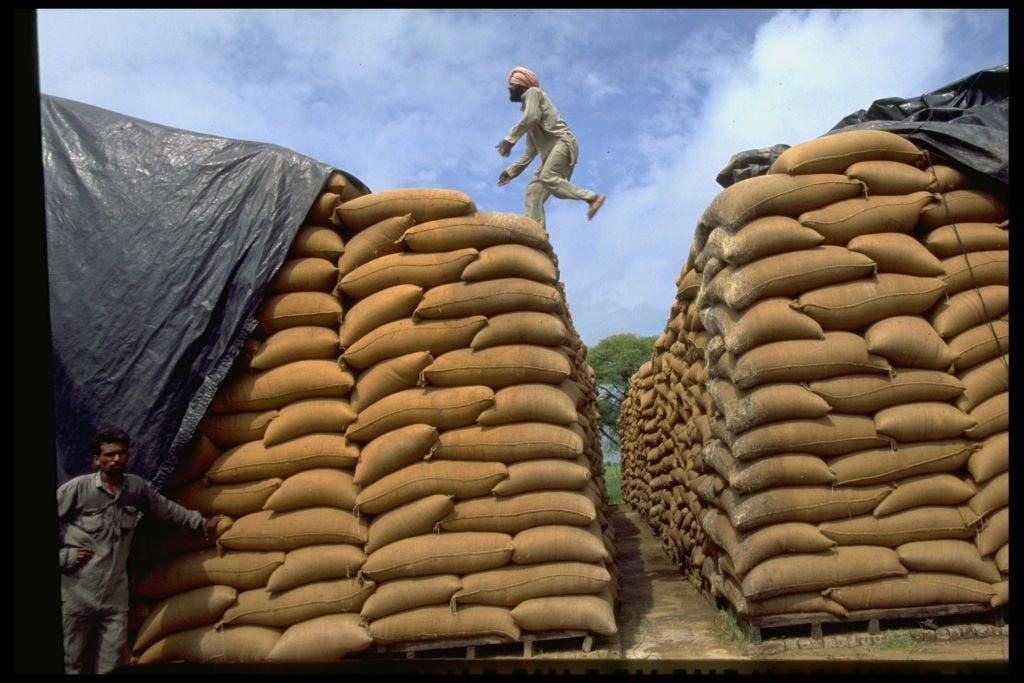
The agricultural revolution killed flavor
From 1960 to 2000, as global wheat yields tripled and corn yields doubled, the natural complexity of the soil and the resulting flavor of the crops sank. The same thing happened with strawberries, tomatoes and countless other crops. “What if one of the reasons we eat so poorly is simple: food stopped tasting good?” writes Harry Holmes in The Guardian. Could a shift in farm subsidies away from corn and soy to feed animals and towards research in flavor and diverse diets help reimagine the global food system?
A research station in the Peruvian Amazon works with tourists to gather data
The Tamshiyacu Tahuayo Regional Conservation Area is using citizen scientists, aka tourists, that visit the reserve to collect data that could help protect it, writes Rachel Cernasky in Wired. Through a partnership with tour operator Earthwatch Expeditions, guests record GPS coordinates of specific fauna and other ecosystem data during their stays at the station. “The goal,” according to biologist Richard Bodmer, “is to support conservation strategies that protect ecosystems and the people who rely on them simultaneously. A bonus is that economic activity tied directly to keeping those ecosystems intact helps to remind the government that effective conservation is valuable in its own right.”
Keep reading with a 7-day free trial
Subscribe to New Worlder to keep reading this post and get 7 days of free access to the full post archives.